The Other Side of Paradise
A golf trip reveals the dark history and cultural complexity of Zanzibar.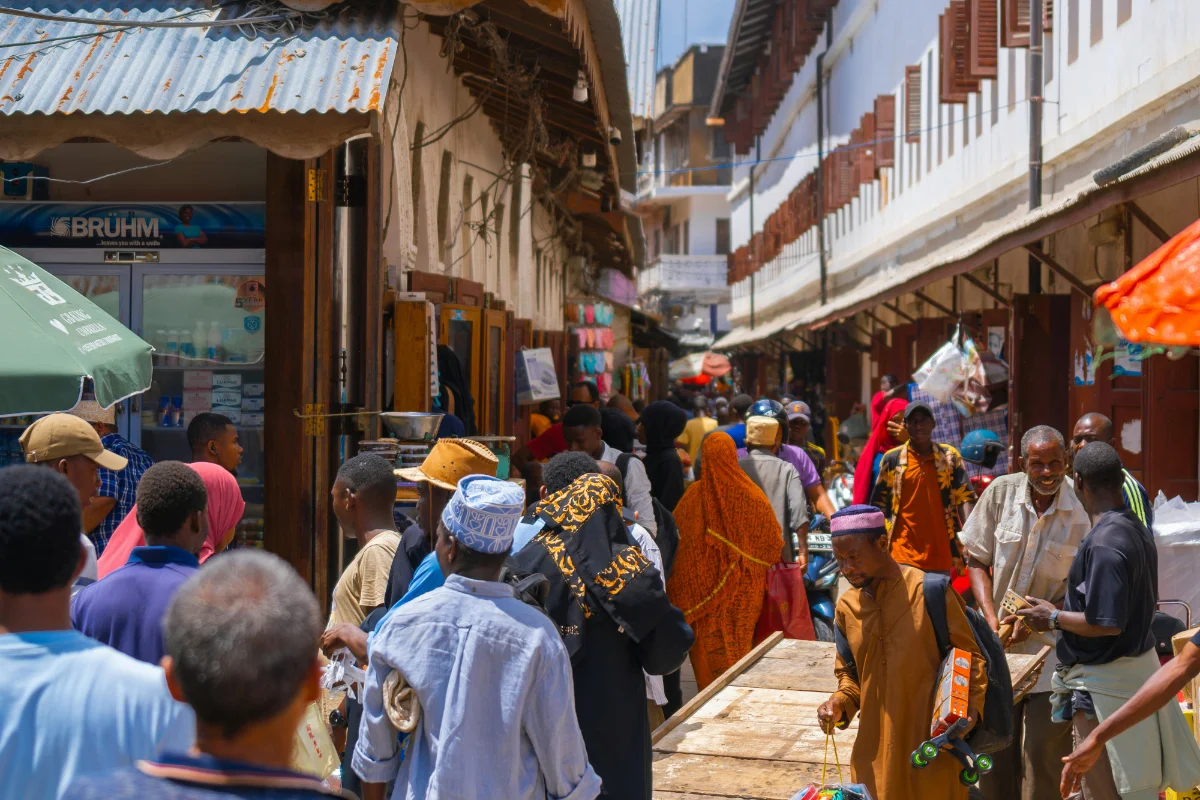
When I was asked to visit and play golf at Sea Cliff Resort in Zanzibar, I imagined myself sipping cocktails on pristine beaches while dodging the occasional falling coconut.
While aspects of this fantasy would play out, it took only about two minutes into my bus ride from the airport—as mosques, shacks, jalabib, and serious faces passed me—to realize that Zanzibar was considerably more complex than I had imagined.
This feeling only grew when, after a morning round at Zanzibar’s only golf course, our tour guide Mhina told us about the history of the archipelago en route to Zanzibar’s capital, Stone Town.
The first recorded visit to Zanzibar (and more specifically, Unguja—the largest and most significant of its islands) appears to have been around 60 AD. There is also a mention of it in a Greek text from around 150 AD, but otherwise not much is known of its history until Arabs, fleeing from war and famine, started immigrating there in the seventh century. They intermarried with the local Bantu women, giving rise to the culture and language of the Swahili.
Trading in ivory, gold, ebony, tortoise shells—and humans—the Swahili civilization flourished for centuries. Then the Portuguese swerved around the Cape of Good Hope in the 15th century and, smelling cinnamon, seized the East African coast for themselves.
The Sultanate of Oman kicked them out two centuries later and had control of the archipelago until the British declared it their protectorate in 1890. In 1964, following an armed revolution that killed thousands, Zanzibar merged with mainland Tanganyika to become the United Republic of Tanzania.
With this in mind, we arrived at Stone Town’s old slave market, where about 50,000 slaves were sold annually during the mid-19th century, making it the hub of the East African slave trade until its closure in 1873. Most of these unfortunate souls were ushered there by the Swahili slaver Tippu Tip, who stripped profitable muscle from villages and families in lands as far away as Congo and Zambia.
Stepping into the slave quarters here and imagining how these slaves must have felt, jammed 75 at a time into a sweltering basement with no food or water—just shackles, diarrhea, and the knowledge of their imminent whipping and shipping—is an experience that lingers.
In a much grimmer frame of mind than I had been that morning, I stepped out into the searing midday sun and began exploring the rest of Stone Town, which was declared a UNESCO World Heritage Site in 2001.
Wandering its Venice-like maze of narrow alleyways, I passed beautiful stone and coral buildings. Indian houses are identified by their ornately carved balconies while Arab homes are characterized by their whitewashed walls and small windows—small so as to conceal female occupants from prying eyes.
I also passed the birthplace of Freddie Mercury (or Farrokh Bulsara, as he was known back then), which, because it is plastered with pictures of the artist, is hard to miss.
After a recuperative lunch on the rooftop of the Maru Maru Hotel, from where one can get some of the best views of Stone Town, we drove to Darajani Market.
I nearly didn’t enter the place. The smell that engulfed me as I stepped out of the bus registered as poisonous gas. Eventually, not wanting to be left outside by myself, I took a deep breath and plunged in. I powered on, past the source of the smell—the seafood section—to the door at the far end of the room.
I burst out, gasping for breath, and immediately found myself overwhelmed by sellers of fruit and spice, desperately trying to usher me to their stations. I wasn’t interested. So, to avoid disappointing one more man, I steeled myself and entered the seafood section … to inspect the catch of the week, as it were.
Over the next few days, I went on many more outings, such as a trip by dhow to Changuu Island, where I snorkeled among vibrant reefs and visited the endangered Aldabra giant tortoises, some of which are over 150 years old.
I also enjoyed the golf course and every other luxury on offer at the resort.
However, on my return trip to the airport, I realized I wouldn’t have appreciated the idyllic aspects of Zanzibar nearly as much—I may even have tired of them—had I not also stepped in its muck.
First published in the May 2015 issue of Compleat Golfer Magazine.
Photo by Aron Marinelli.